
The story of the dredger and the community
By SAMAR NEWS.COM
February 19, 2026
In the quiet coastal town of MacArthur, Leyte, the black sands carried whispers of promise. For generations, farmers had tilled the land, fishermen had cast their nets, and families had built their lives around the rhythm of the sea. Then came the MacArthur Iron Projects Corporation (MIPC), with bold plans to transform the sands into engines of progress.
The company spoke of thousands of jobs, of household incomes rising, of schools and hospitals funded by more than P100 million in annual taxes and fees. They pledged to restore mined lands to fertile fields, backed by a P56 million rehabilitation bond. They promised not just mining, but upliftment: a five-year program for health, education, livelihood, and infrastructure. To many, it sounded like a new dawn.
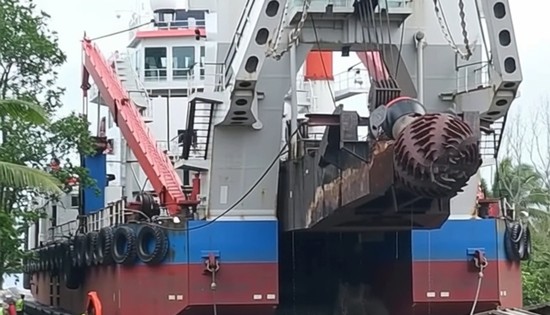
At the heart of this plan stood a behemoth cutter suction dredger – an engineering marvel chosen after careful studies, said to be efficient and environmentally sound. But as its huge steel frame advanced toward the mining field, unease grew. Farmers feared for their soil, fishermen for their catch, and families for the harmony of their community. The dredger became more than a machine; it became a symbol of tension.
Recognizing the rising voices, MIPC made a choice. In a gesture of respect and restraint, they announced the dredger's removal. They sought the help of local leaders to ensure its safe withdrawal, reaffirming their commitment to responsible development. The company's vision remained: prosperity through mining, balanced with stewardship of the land and care for the people. But the story of the dredger reminded everyone that progress must walk hand in hand with trust.
And so, in MacArthur, the sands still hold promise – but now, the community watches closely, determined that the future be built not just on iron, but on harmony.