
PRO8 to set up more checkpoints for Comelec gun ban
By RPCRD, Police Regional Office 8
January 11, 2013
CAMP SEC. RUPERTO K. KANGLEON, Palo, Leyte – The Police Regional Office 8 (PRO8) will establish more police checkpoints as part of the implementation of the election gun ban beginning Sunday, January 13, even as it reminded its personnel to observe standard operating procedures in carrying out checkpoint operations.
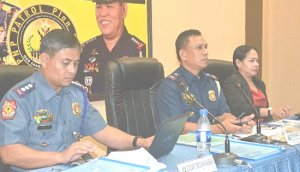
“We will set-up more checkpoints in strategic places to strictly impose the gun ban during the election period,” said Police Chief Superintendent Elmer Ragadio Soria, PRO8 Regional Director as he ordered his men during Friday’s command conference attended by members of Directorial Staff, City and Provincial police directors, chiefs of National Support Units and officials from the Commission on Elections (Comelec).
Soria added that this forms part of PRO8’s efforts to reduce election-related violence in the midterm polls, the intensified crackdown against loose firearms and in compliance to Comelec Resolution 9561-A which states that bearing, carrying and transporting firearms and other deadly weapons outside the residence or place of business and in public places are prohibited unless authorized in writing by the Comelec.
“We are in close coordination with the Comelec and our counterparts in the Armed Forces of the Philippines on this matter,” he informed.
“With the gun ban, all permits to carry firearms outside residence issued by the PNP to civilian gun holders are suspended except for regular members of the PNP and AFP on duty and in full uniform and members of government agencies who are actually performing law enforcement and/or security functions,” Soria further disclosed.
The Comelec resolution also exempts members of privately-owned or operated security, investigative, protective or intelligence agencies subject to some provisions, Justices of the Supreme Court, Court of Appeals, Sandiganbayan, Court of Tax Appeals and judges of regional, municipal/metropolitan/circuit trial courts and security personnel of accredited foreign diplomatic corps and establishments under international law.
Soria further reminded police officers manning checkpoints to observe standard operating procedures including being in full uniform and in well-lit areas with proper signage at hand. The procedure also indicates that the policemen are limited to conducting visual checks of the vehicles they are inspecting.
“You are reminded to be polite as you approach the motorists, such gesture will earn their trust and respect,” the regional director told his men.
He also encouraged the public to be vigilant against abuses at the checkpoints and report erring policemen by reporting the matter to the nearest police station.